- Charles Sturt Medicine graduate chooses to practice where she was born and raised in the Central West
- Charles Sturt’s Medicine graduates are filling vital healthcare shortages in rural Australia
Australia’s rural doctor shortage is widely regarded as one of the country’s most pressing health and regional development issues.
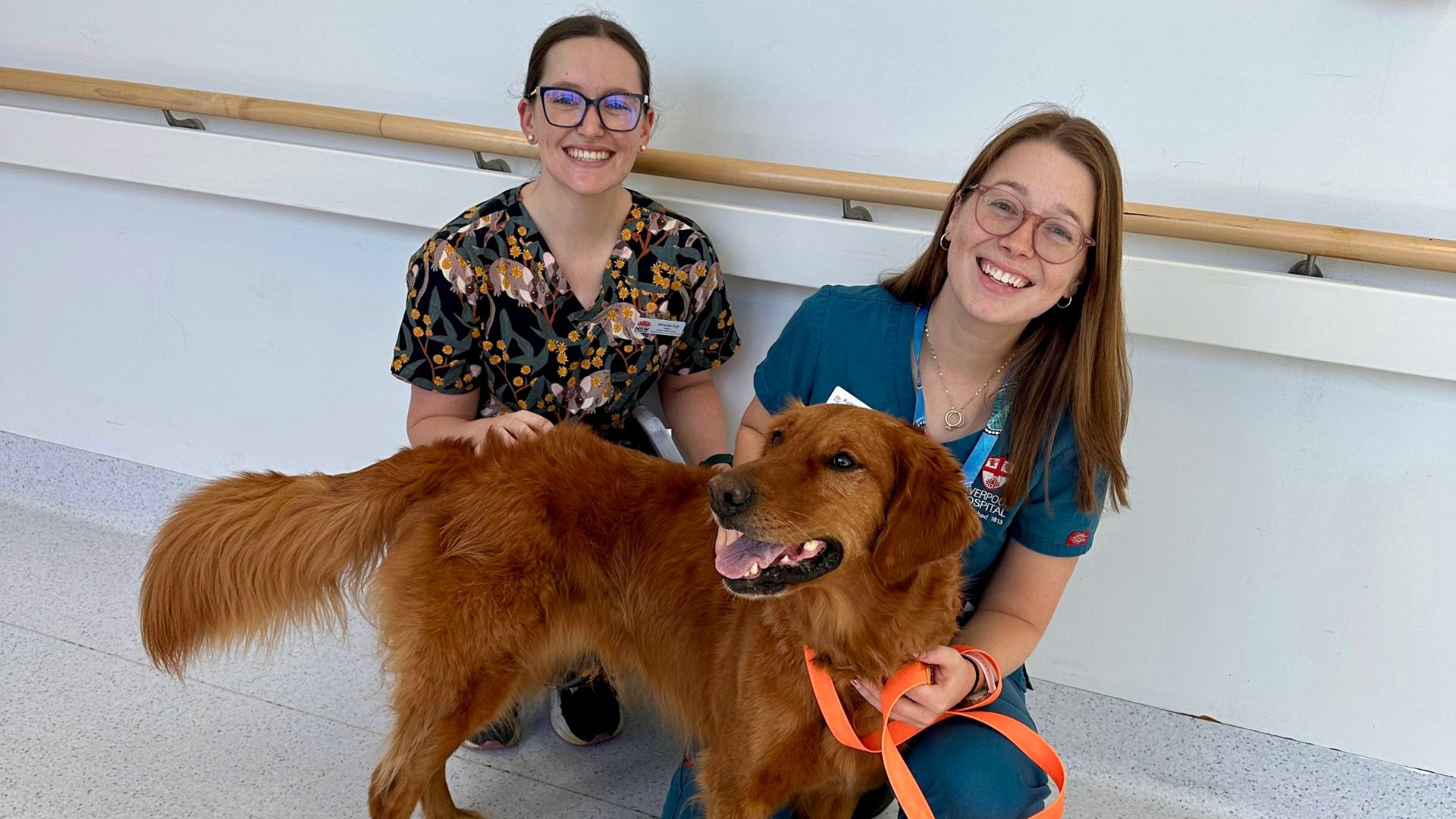
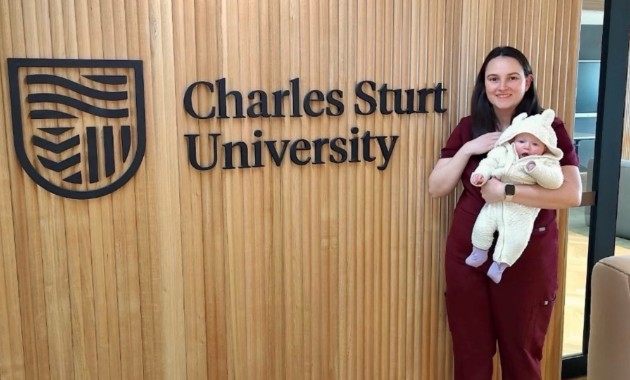
Charles Sturt University Medicine graduate Ms Miranda Eyb decided to begin her career by helping to fill those gaps. With regional Australians continuing to experience poorer health outcomes and reduced access to healthcare services, the Federal Government’s Stronger Rural Health Strategy estimates an additional 3,000 doctors and nurses will be needed in rural Australia by 2028.
Chares Sturt’s School of Rural Medicine was established five years ago to address those challenges by training doctors in the bush, for the bush.
That approach is delivering results, with an impressive 82 per cent of the School’s inaugural medical graduates commencing their careers as Junior Medical Officers in regional hospital locations this year.
Miranda grew up in Cudal, near Orange, and describes it as an ‘idyllic’ combination of small-town values with the convenience of Sydney over the Blue Mountains. Now she is working just down the road as an intern at Dubbo Base Hospital.
When Miranda discovered she could study medicine in regional Australia, she realised a career she never thought was possible to be within reach.
Medicine was not Miranda’s first plan, but several people told her she might be able to study it rurally and that sparked her interest.
She graduated with a Bachelor of Clinical Science (Medicine)/Doctor of Medicine in 2025 with Charles Sturt’s first cohort of graduates from its medicine program.
“Charles Sturt University’s program allowed me to be closer to my loved ones and from a practical viewpoint, was much cheaper than big city education,” she said.
“Regional universities have smaller, closer cohorts, and one-third of the rent costs.”
Charles Sturt’s School of Rural Medicine was established to help address rural health challenges by training medical students in regional and rural Australia, for regional and rural Australia.
Miranda knew that whatever medical career she chose, she wanted to work in regional Australia.
“With the changing face of medicine in Australia, our regional and rural communities need dedicated, long-term doctors now more than ever,” she said.
“And from a medical perspective, the options are endless once you’re in the regions.”
She was able to complete her clinical placements required for her degree at regional sites. Miranda completed the first two years of her medical degree in Orange before undertaking three years of clinical and community placements at the Central West Clinical School in Parkes.
“At Charles Sturt, I was able to do 100 per cent of my placements in regional areas and gain a realistic perspective about how medicine works in the country,” she said.
“It gave me the connections with communities that now will form a big part of my future, in unexpected locations.
“I knew I was going to study in rural sites, but I didn’t expect that some of those sites would feel like home.”
Dubbo Base Hospital is a major referral centre for other parts of the state, which Miranda said comes with unique challenges but also the chance to practice ‘incredible medicine’ that you might not see in the city.
“Patients who you care for in surgery will recognise you when you treat their child in the emergency department,” she said.
“With a small staff cohort, and consultants that are here because they want to be, it makes all the difference.”
Miranda encourages anyone currently debating their career paths to consider studying medicine. She said the tough road ahead will ultimately make for better prepared doctors.

Social
Explore the world of social