
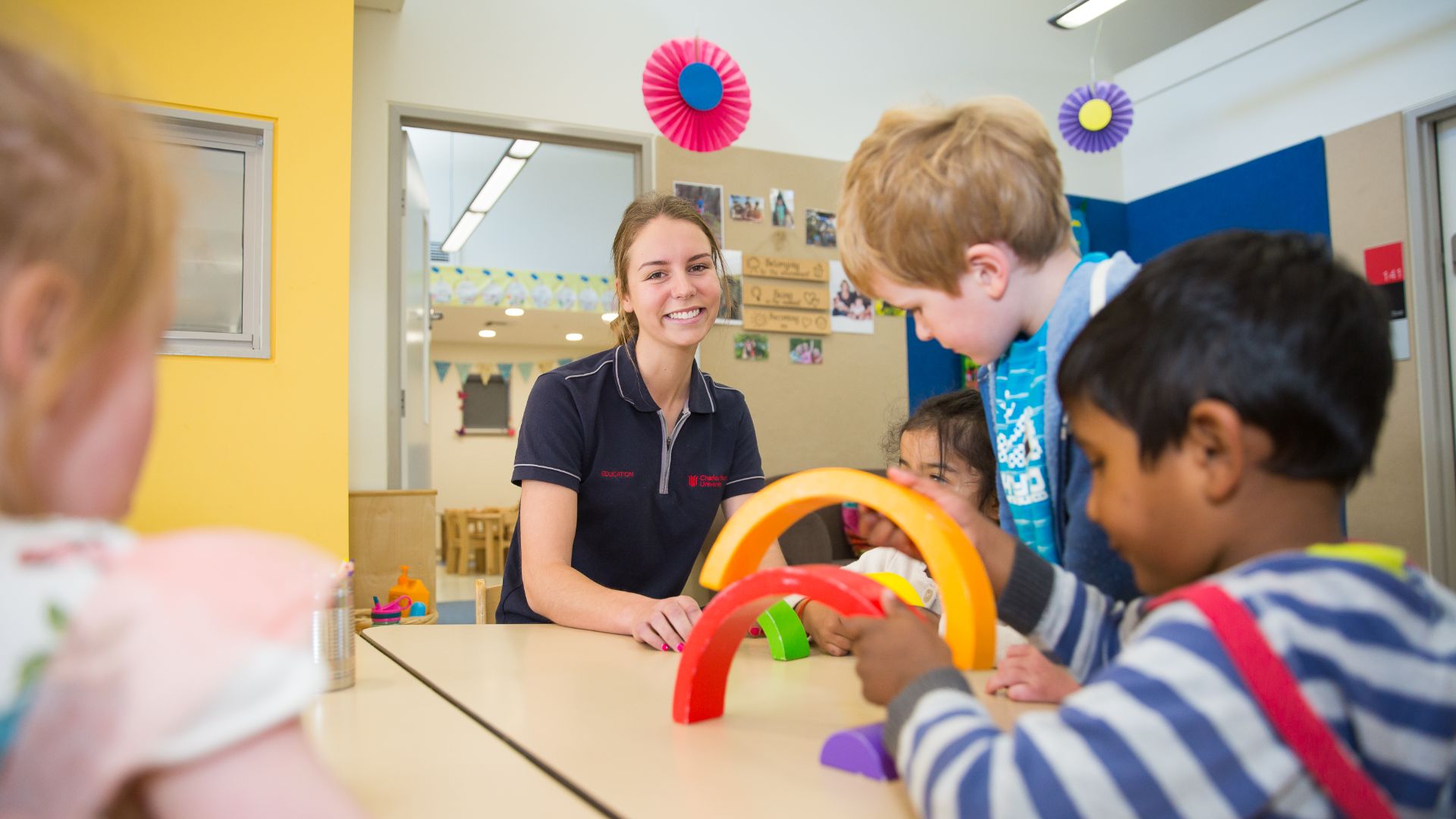
- Australia needs at least 21,000 additional qualified early childhood professionals to meet current demand
- The Charles Sturt University Connected Early Childhood Pathway program reports 100 per cent retention in its first intake
- The program is designed for educators already working in the sector who will help to fill the demand for teachers
As NSW faces a shortage of qualified early childhood teachers, Charles Sturt University’s Connected Early Childhood Pathway (CECP) shows promising early results.
Funded by the NSW Government’s Early Learning Diploma to Degree initiative the University’s CECP program has a 100 per cent retention rate and strong positive student feedback as the program opens applications for its final intake in July 2026.
The CECP supports diploma-qualified educators across the state to gain an Australian Children’s Education and Care Quality Authority (ACECQA) approved teaching qualification through partnerships with participating universities.
The program removes barriers for people already working in or associated with the early childhood sector who want to progress to a teaching qualification. It enables students to complete the Bachelor of Education (Birth to Five Years) entirely online, with a range of practical support.
Australia faces a shortage of qualified early childhood teachers at a time when demand for places is accelerating.
The NSW Government is investing $769 million to build 100 new public preschools statewide in communities that need them the most, creating positions for qualified teachers.
Jobs and Skills Australia’s 2024 capacity study found Australia needs at least 21,000 additional qualified ECEC professionals to meet current demand.
The people most likely to fill that gap are experienced educators already working in the sector, however they often face significant barriers in gaining university degrees, including working full-time or being primary caregivers in their household.
Students who were part of the first intake at Charles Sturt reflect that profile with the majority balancing full-time work and study. With an average age of 37, all are women and more than half identify as culturally and linguistically diverse. Almost half are the first in their family to attend university.
Program Lead and Lecturer in Early Childhood Education in the Charles Sturt School of Education Dr Belinda Downey said the results reflect the University’s commitment to the communities it serves.
“This program brings together high-quality teaching, individualised academic support, mentoring and strong professional partnerships - because Charles Sturt has always served students who are juggling more than just a degree,” Dr Downey said.
“The early feedback tells us that targeted, personalised support is having a real impact on students’ confidence and outcomes, which matters to them and the communities across NSW that will benefit from more qualified early childhood teachers.”
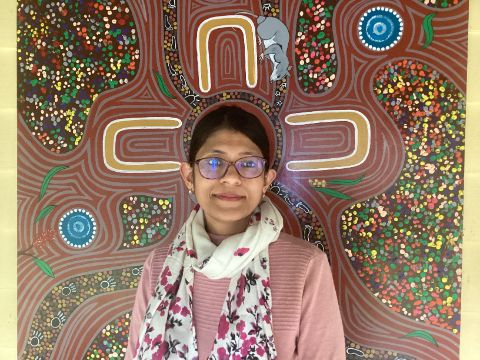 Mrs Neha Mittal (pictured left), one of 56 students in the first intake, works at an early childhood centre in Hornsby. She said early in her studies she felt discouraged and unsure of her abilities, especially after her first assessment.
“The encouragement, patience and belief in me by CECP staff truly lifted my confidence and motivated me,” she said.
“My work improved, including achieving a High Distinction, which I am very proud of, and more than anything I believe in myself again.”
The CECP program supports up to 100 students across its two intakes, with 44 places available in the second cohort starting in July 2026. Students may be eligible for $6,000 in financial support, with additional loadings available for First Nations, regional, rural and remote students.
Applications for the July intake are now open. An information session about the program will be held at 7pm on Tuesday 9 June. For more information, visit the CECP page or contact CECP@csu.edu.au.



Social
Explore the world of social