
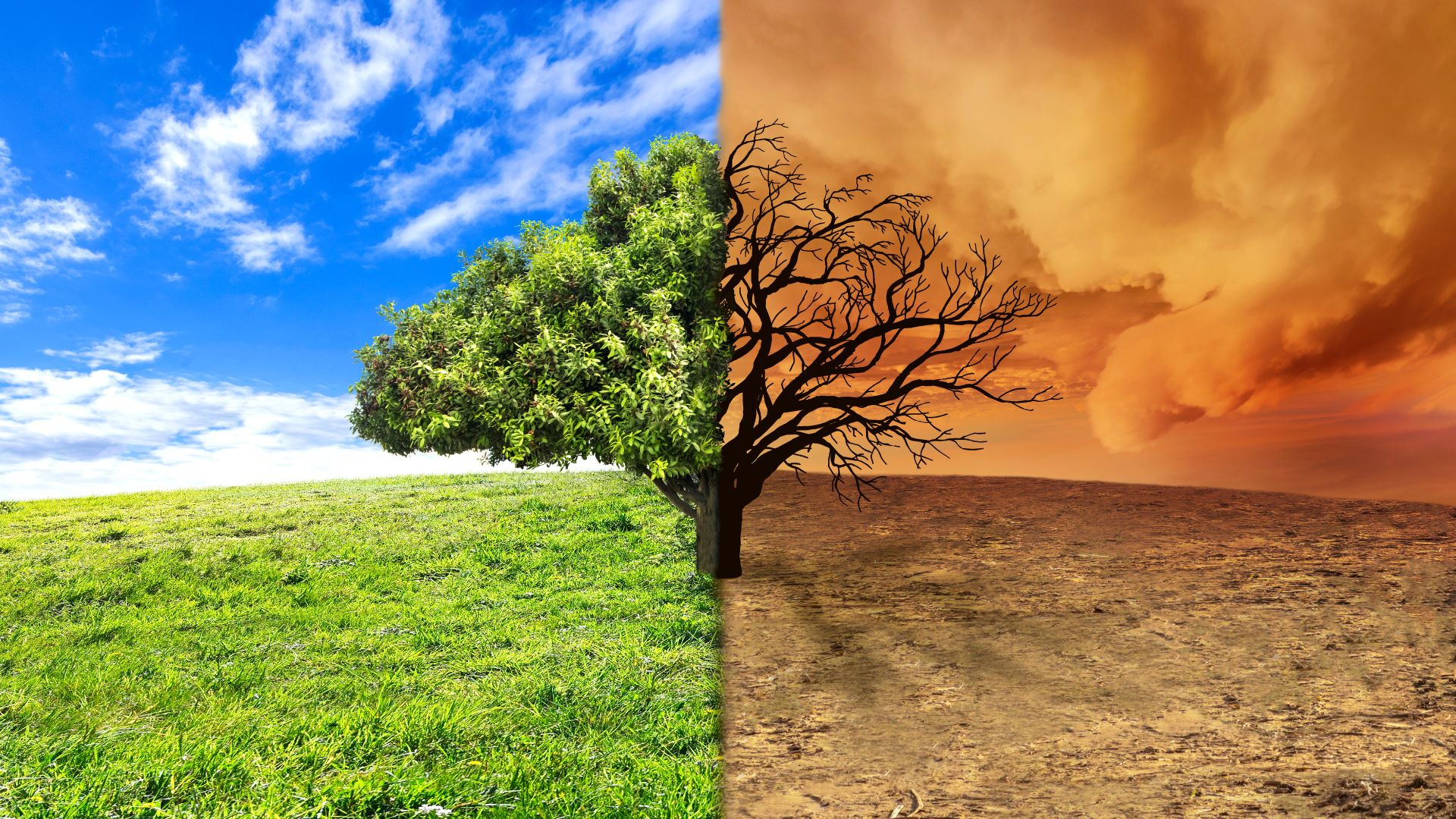
- A Charles Sturt University survey report shows for many Australians, climate anxiety has grown from an environmental threat to an existential risk to society
- Anxiety is higher among women and among those who have had more exposure to extreme weather events
- In an unlikely alliance, Greens and One Nation voters are much more worried about social collapse than other voters
A nationwide survey commissioned by a leading Charles Sturt University researcher has found high levels of concern among Australians that global warming will bring large numbers of climate refugees, food shortages and even social collapse by 2050.
Nearly a third of Australians say they are ‘very or extremely concerned’ about social and economic collapse in the next 25 years, with three in five Australians at least moderately concerned.
Anxiety is higher among women and among those who have had more exposure to extreme weather events.
The survey of almost 2,000 Australians was developed and commissioned by Professor of Public Ethics, Clive Hamilton, AM, at Charles Sturt University in Canberra, and carried out by respected public opinion company Roy Morgan Research.
Professor Hamilton said in an unlikely alliance, Greens and One Nation voters are much more worried about social collapse than other voters.
“These striking results emerge from the first national public opinion survey exploring how Australians are thinking about and responding to life on a warming planet,” said Professor Hamilton.
“For many Australians, climate anxiety has grown from an environmental threat to an existential risk to society.
“Although not yet part of the public conversation, this sense of a precarious future is now embedded in the community.”
There is also widespread concern about large numbers of climate refugees arriving in Australia by the middle of the century as the climate warms, with over half of the population (54 per cent) at least moderately concerned and 30 per cent very or extremely concerned.
Although conservative voters are much less concerned than progressive voters about climate change in general, they are substantially more concerned about the prospect of large numbers of climate refugees arriving in Australia.
“As the world warms, climate change is expected to have greater influence on the politics of migration,” Professor Hamilton said.
“The fact that a majority express at least moderate concern about food shortages, climate refugees and social collapse tells us that climate-related fear is now part of how Australians see the future.”
Nearly a third of Australians say they are very or extremely concerned about food shortages in the next 25 years, an anxiety that aligns with expert forecasts of falling crop yields and declining livestock productivity due to more frequent and intense weather events in many of Australia’s agricultural regions.
“Taken overall, these results indicate that climate change has morphed in the public mind from an environmental issue into a multidimensional societal challenge,” Professor Hamilton said.
“Although climate change now intersects with anxieties about food security, immigration politics and social stability, our political leaders are very reluctant to acknowledge them.
“Conservatives are unwilling to admit how severe the threat is while progressives do not want to distract attention from reducing emissions.”
Find out more here about the Climate Adaptation Survey and access Research Paper 7 ‘Climate change and social collapse’.



Social
Explore the world of social