
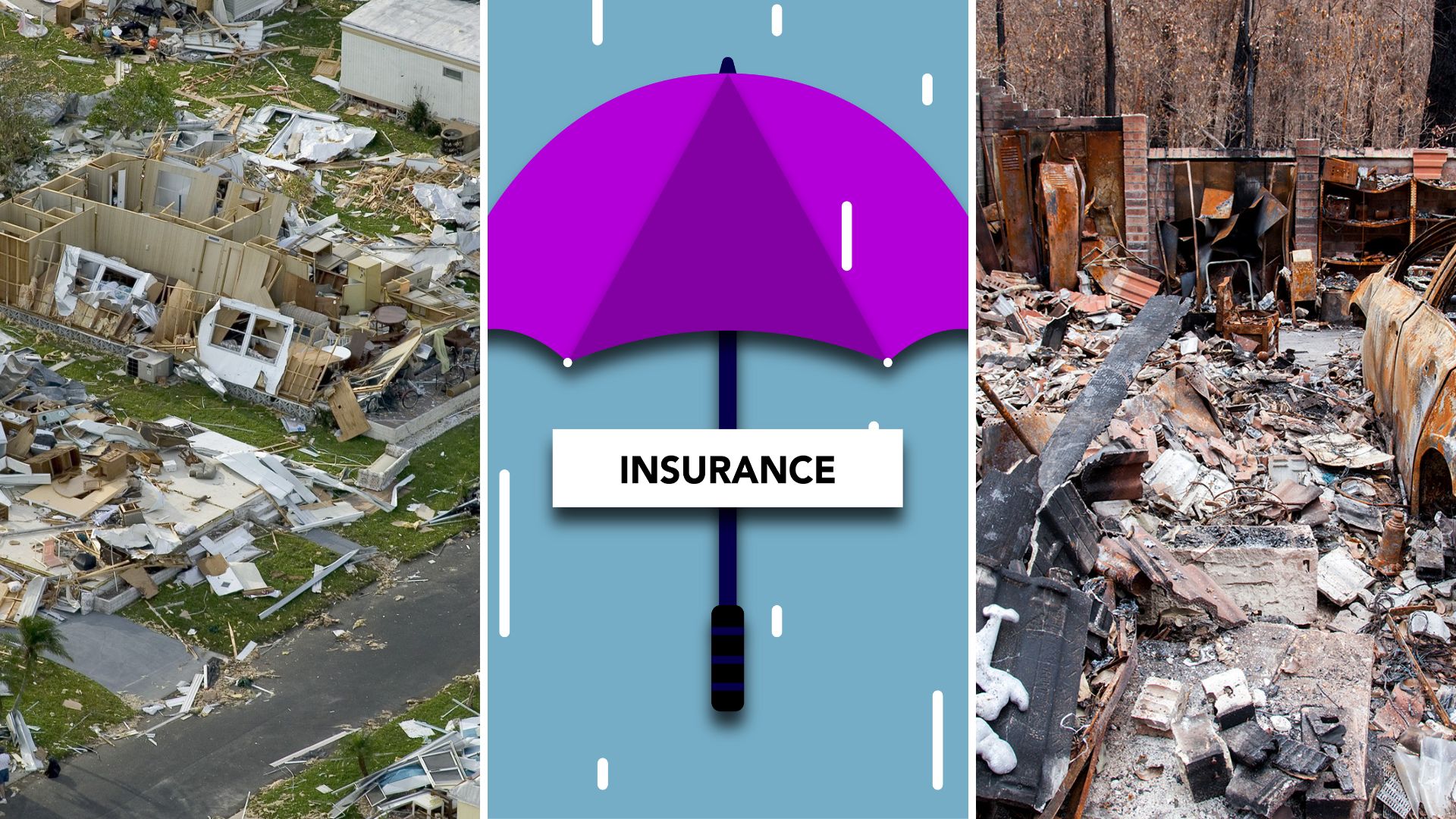
- The latest report from a Charles Sturt University survey shows divided views about how and who to pay for climate change and disaster-prone home damage
- Three quarters of Australians believe insurance companies are gouging their customers
- Survey suggests a new moral axis in how to deal with growing climate extremes; either alone or collectively
Half the population supports a levy on carbon polluting industries to fund rising home insurance premiums in disaster-prone areas, according to the results of a Charles Sturt University nationwide survey about attitudes to climate change.
Voters are divided over the desirability of such a levy, with progressive voters much more likely to support it.
However, there is agreement across that insurance companies are using extreme weather events as an excuse to raise home insurance premiums excessively.
Overall, three quarters of Australians believe insurance companies are gouging their customers.
These results emerge from a national public opinion survey exploring how Australians are thinking about and responding to life on a warming planet.
The survey of almost 2,000 Australians was developed and commissioned by Clive Hamilton, Professor of Public Ethics at Charles Sturt University in Canberra, and carried out by respected public opinion company Roy Morgan Research.
“The results signal a deep‐seated distrust of a major financial institution,” Professor Hamilton said.
“Home insurance has become framed in public conversation as a matter of fairness rather than actuarial calculation. The widespread sense of grievance may be fertile ground for political campaigning.”
Public opinion is divided evenly over whether people living in disaster prone areas who can’t get home insurance should move somewhere else rather than ask for subsidies from government or other policy holders.
Thirty-two per cent agree they should just move while 39 per cent disagree and accept that subsidies are reasonable. The rest are undecided.
Women have more empathy for those denied insurance cover, as do those more concerned about climate change. Greens voters have most empathy, while One Nation voters take the harshest view.
Those unconcerned about climate change or who deny its existence are more likely to believe individuals should take responsibility for the risks of climate change.
“The traditional division in Australia between those who are more individualistic and those who emphasize social solidarity is playing out in the climate risk arena,” Professor Hamilton said.
“This suggests a new moral axis in how to deal with growing climate extremes. Either we are on our own or we should respond collectively.”
Access Research Paper 4 ‘Who should pay for climate insurance?’


Social
Explore the world of social