
- Charles Sturt academic conducts research on benefits and effects of exercise on women with endometriosis
- The study is designed to explore interventions that support self-management by women living in rural, regional and remote areas of Australia
- Researchers seek women who are eligible to participate in the 12-week study
A Charles Sturt University expert is looking at how exercise can make crucial improvements to the quality of life for women living with endometriosis.
Senior Lecturer in Exercise Science in the Charles Sturt School of Allied Health, Exercise and Sport Sciences in Bathurst Dr Tegan Hartmann’s specialty area is women’s health research.
Her latest projects build from previously published research suggesting that exercise duration may positively influence symptoms, biomarkers and quality of life in women with endometriosis. But researchers found women were navigating exercise without clear guidance.
This study will focus on understanding how much exercise can improve symptoms and is designed to support women who have limited access to specialist and allied health services because of where they live.
“Women diagnosed with endometriosis living in regional, rural and remote Australia are at the centre of this project,” Dr Hartmann said.
Endometriosis affects one in seven Australian women and can impact pain, fatigue, mental health and quality of life.
Dr Hartmann said her study helps address healthcare inequality for rural and regional women.
“Women in rural and remote areas often have reduced access to specialist care and allied health support,” she said.
“Our previous research indicated that exercise duration may improve symptoms and biomarkers, but more research is needed to determine optimal dose and optimal modalities.
“This study aims to provide accessible, evidence-based, non-invasive symptom management options.”
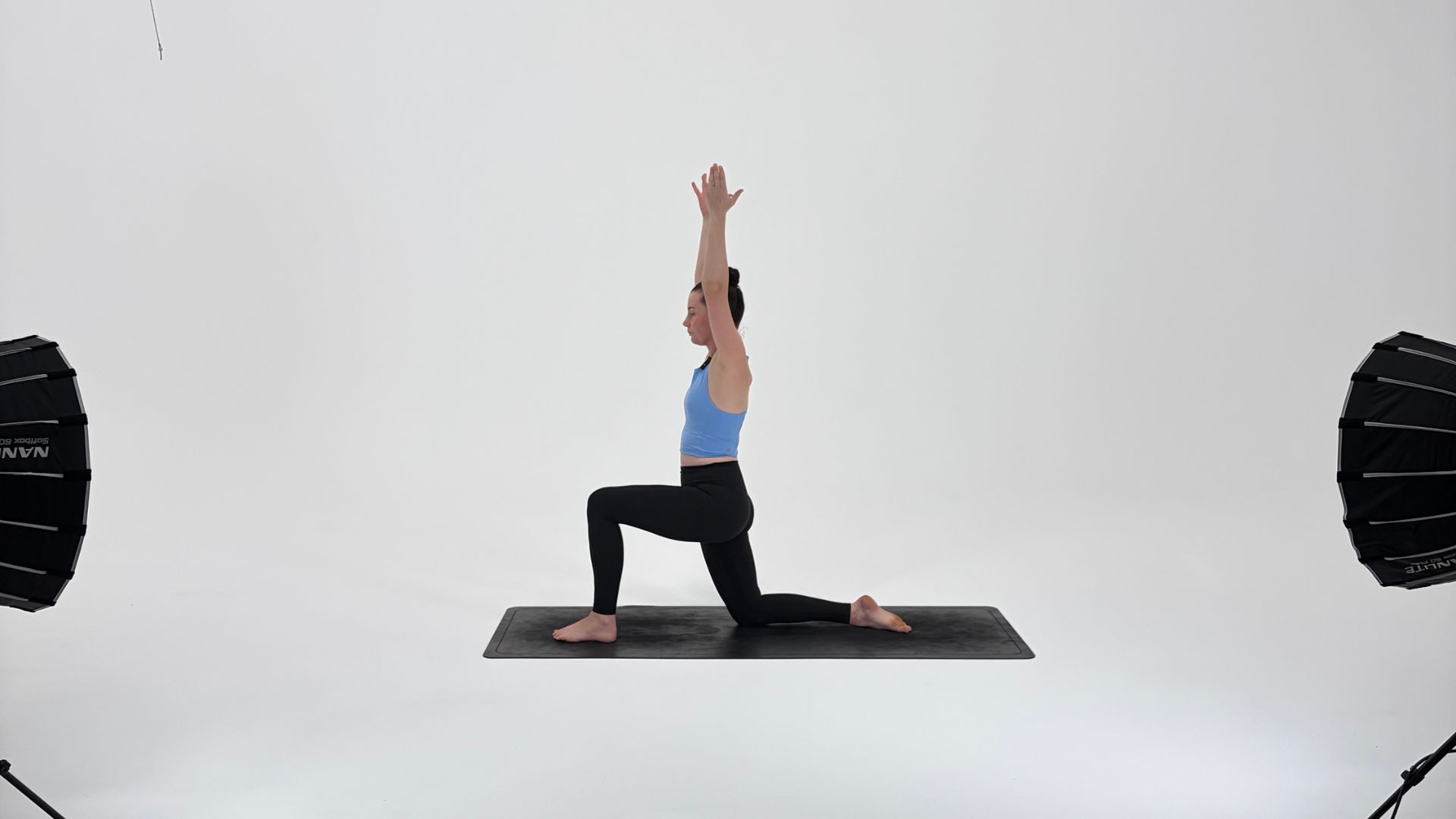
The 12-week program will investigate how much exercise is needed to improve symptoms, quality of life and health biomarkers through evidence-informed and symptom-aware exercise, such as walking and yoga.
Dr Hartmann believes that exercise may be a low-cost and scalable adjunct therapy for endometriosis management and this study is a step toward building an evidence base for exercise management of endometriosis.
“Participants are contributing to research that could shape future clinical guidelines,” she said.
Researchers are seeking participation from 50 women who have been diagnosed with endometriosis and live in regional, rural or remote areas of Australia. The program runs for 12 weeks per participant cohort and can be completed in the participants’ own homes with online support.
For more information on how to participate in the study, contact Dr Hartmann via her email thartmann@csu.edu.au.


Social
Explore the world of social