
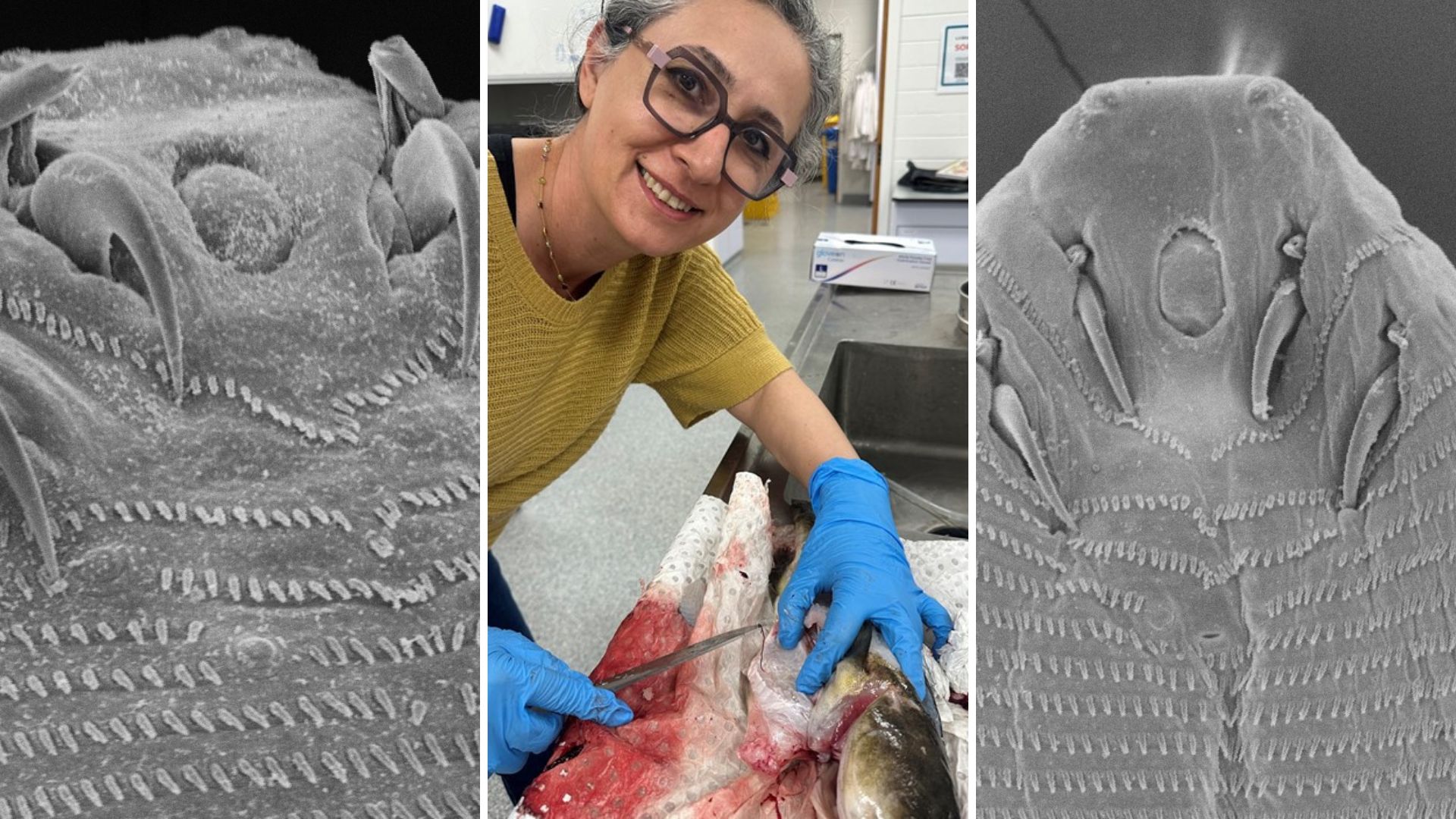
- A scientist from Charles Sturt University is undertaking new research into the hidden world of parasites to protect public health, food safety and vulnerable communities
- Parasites affect food security, fisheries, livestock production, biodiversity, and ecosystem health, as well as human health
- Her work has uncovered a concerning gap in Australian policy and regulatory frameworks which monitor parasites and their impact on human, animal and environmental health
A Professor of Veterinary Parasitology at Charles Sturt University is undertaking leading research into parasites in regional NSW, with national and even global implications.
Parasitic infections are widespread globally and may be acquired through contaminated food or water, environmental exposure, insects, or interactions between humans, animals and ecosystems.
Many infections are underdiagnosed because symptoms can be vague, chronic, or mistaken for other illnesses. Malaria (caused by a mosquito-borne parasite) was estimated to cause more than 600,000 deaths in 2024 in 80 mostly tropical countries.
By addressing the critical gap in Australia’s knowledge of parasites, Professor Shokoofeh Shamsi (pictured) in the Charles Sturt School of Agricultural, Environmental and Veterinary Sciences in Wagga Wagga hopes to support biosecurity and sustainable food systems at home and abroad.
The project involves examining foodborne parasites in animals consumed by humans, particularly fish and game meat. The work includes investigations of parasites in museum samples in Tasmania collected from a whale (which may provide new insights into factors associated with whale strandings), and parasites in feral animals such as pigs and deer, and fish.
By uncovering hidden parasites and better understanding how they work and the risks they pose she hopes to better protect public health and inform national and global food safety policy.
Professor Shamsi, who also serves on the Board of the Food Safety Information Council (Australia), said parasites remain an often overlooked aspect of food safety and public health.
“Parasites are often ‘hidden’ problems; people rarely think about them until outbreaks or unusual cases occur, but they are deeply connected to food safety, biosecurity, environmental health, and interactions with animals,” Professor Shamsi said.
“Climate change, environmental disturbances, global travel and even animal movements are all increasing opportunities for parasites to spread into new regions and hosts.
“Pet owners also play an important role in parasite prevention by maintaining regular veterinary care and parasite control programs.”
“Managing parasites is not straightforward sometimes, some parasites can survive normal conditions surprisingly well, making prevention and control challenging. Toxoplasma gondii is one example of a highly resilient parasite that can persist in the environment and has been linked to impacts on wildlife, marine mammals and potentially human health.
“That’s why this research is critical so we can better understand how parasites work, where they thrive and how we can best avoid them.”
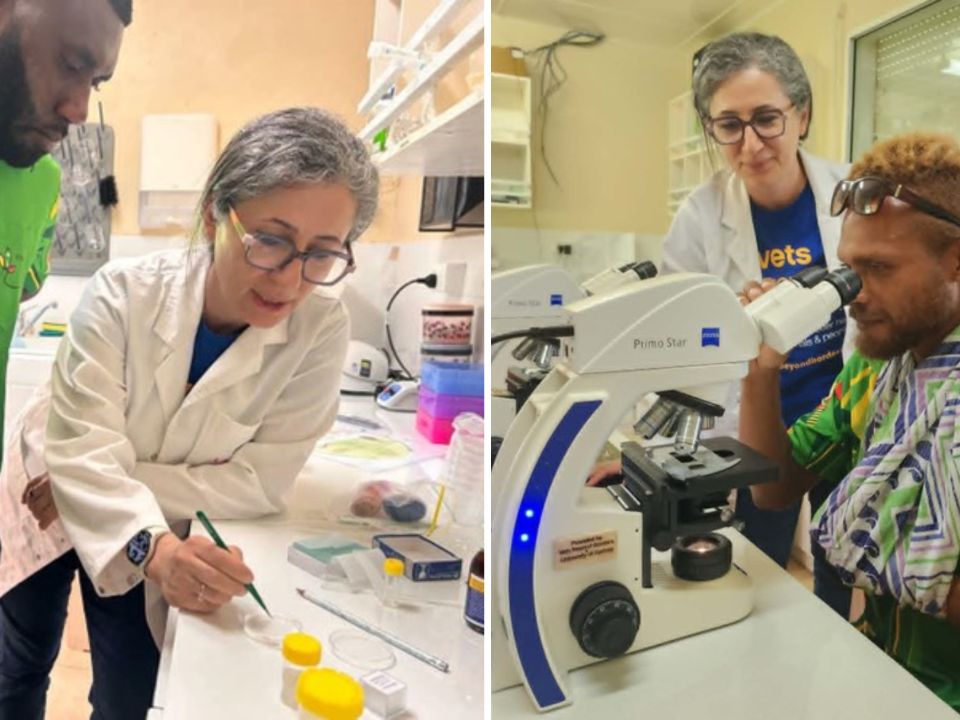 Professor Shamsi’s work aligns with the World Health Organisation’s One Health approach, recognising the interconnectedness of animal, human and environmental health, and highlights Charles Sturt’s commitment to global engagement and real world impact.
Some parasites have complex life cycles involving wildlife, domestic animals and humans, which is why a ‘One Health’ approach is increasingly important.
Professor Shamsi’s research and educational outreach has recently contributed to international veterinary capacity-building through her volunteer work in Vanuatu with Vets Beyond Borders.
“Australia and Pacific nations are closely connected through travel, trade, environment, and biosecurity,” she said. “Supporting animal health and disease awareness within our region benefits everybody, because parasites and diseases do not recognise national borders.”




Social
Explore the world of social