
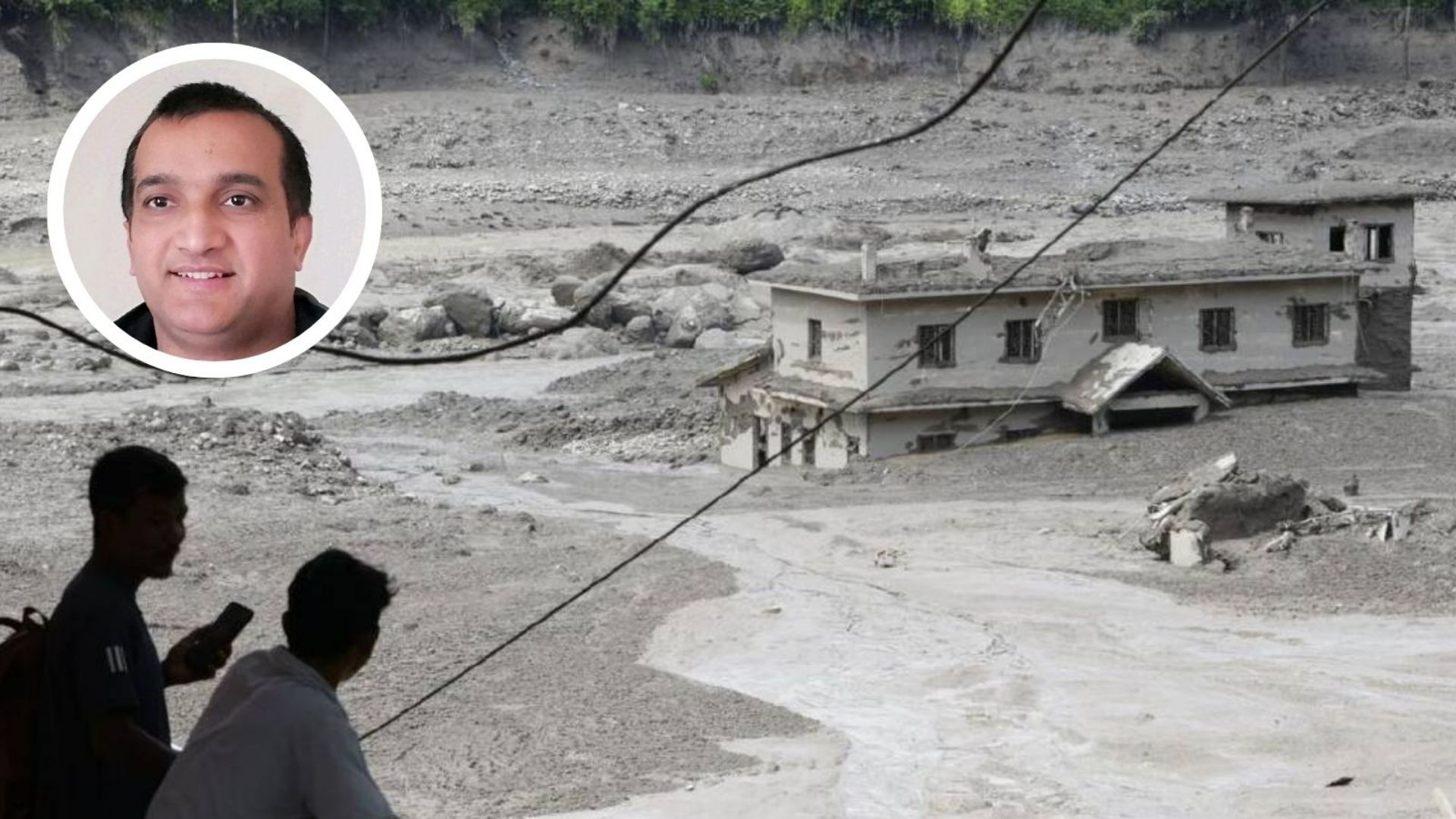
- The devastating Nepal-Tibet flash flood highlights escalating risks from cascading mountain hazards worldwide
- Expert warns interconnected disasters demand stronger emergency response, warning systems and community resilience
As rescue and recovery efforts continue following the devastating flash flood on the Nepal–Tibet border, Charles Sturt University disaster-risk specialist Dr Prahlad Lamichhane says the event should be viewed as far more than a conventional flood.
Early assessments suggest a large ice-and-rock avalanche in the Himalayas may have temporarily dammed a river before a sudden lake outburst unleashed a destructive surge of water, debris and sediment downstream.
Dr Lamichhane says the disaster highlights the complex and cascading nature of high-mountain emergencies, where infrastructure failure, public health risks, disrupted water supplies and humanitarian impacts can extend well beyond the initial event.
"At this stage, everything should be directed toward supporting the security and emergency agencies leading search and rescue, and getting immediate relief, shelter, clean water, medical care and communication to affected communities," Dr Lamichhane said.
He says the crisis demonstrates how disasters increasingly emerge from multiple interacting hazards rather than a single trigger.
"The cascading impacts don't stop with the flood wave itself. Events like this create urgent secondary challenges, including the management of mass casualties and missing persons, and the protection of water supply and sanitation systems, which are often destroyed or contaminated right when communities need them most," he said.
Dr Lamichhane also warns that restoring effective warning systems is an immediate priority.
"Search and rescue teams, engineers, medical staff and other responders are now working directly in this same high-risk environment. An effective warning system is essential to their safety too," he said.
While Australia's hazard profile differs from the Himalayas, Dr Lamichhane says the broader lesson is universal.
"Disasters rarely result from a single cause. They tend to emerge from interacting, cascading events, whether that's ice, rock and water in the Himalayas, or bushfire, flood and landslip in parts of Australia."




Social
Explore the world of social