
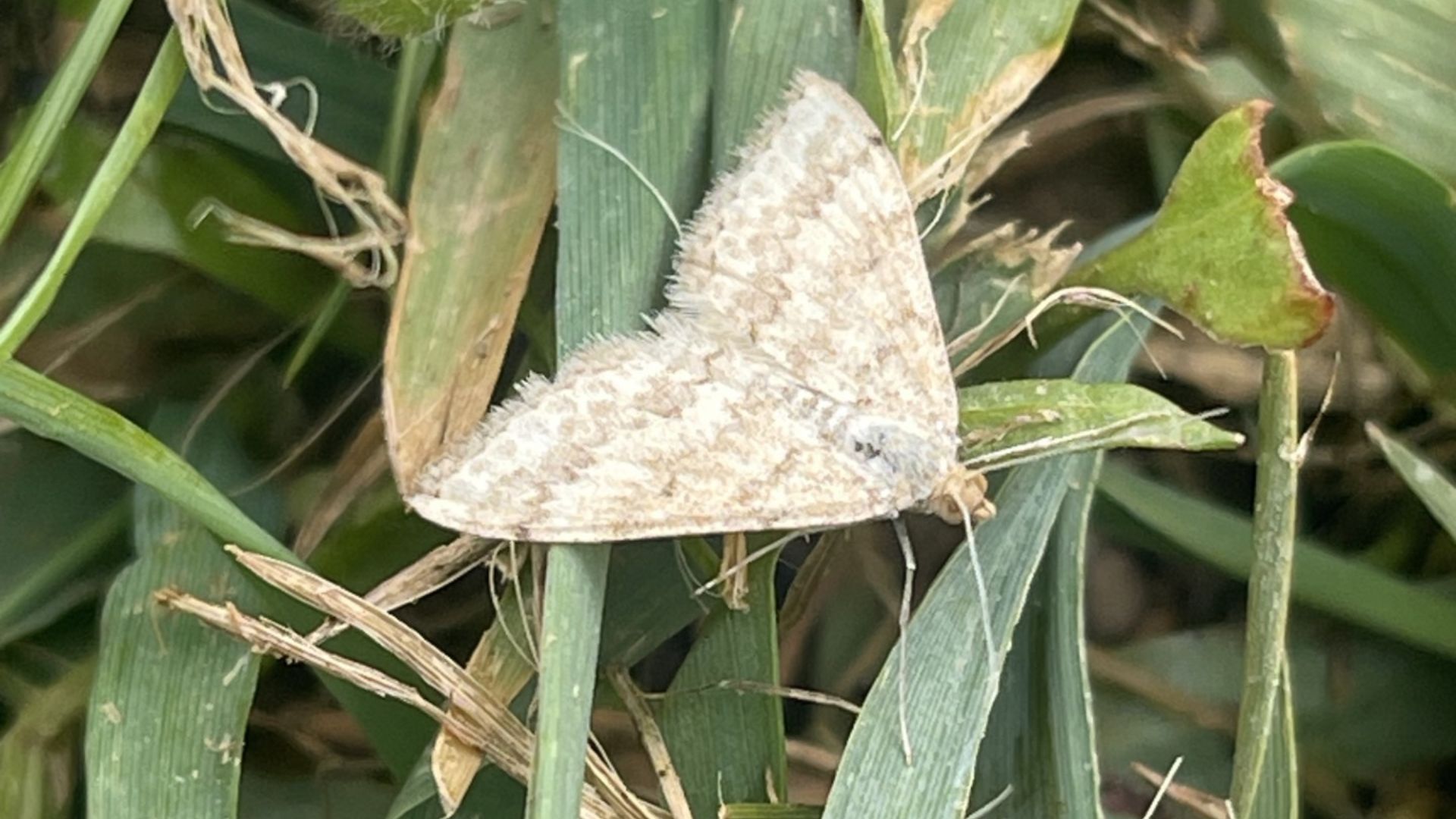
- Charles Sturt researcher leads projects on how nature can provide protection to crops from various pests
- Teams from Australia, China, the Pacific and Africa are collaborating on the project
- The research provides a solution to the growing challenge of national and international food security
From vineyards in Australia to rice paddies in Asia, Charles Sturt University researchers are studying how nature can protect crops from voracious pests.
Distinguished Professor of Applied Ecology with the Charles Sturt School of Agricultural, Environmental and Veterinary Sciences Geoff Gurr is also an insect ecologist with Charles Sturt’s Gulbali Institute for Agriculture, Water and Environment.
He is leading a program of research on how nature-based solutions can protect agricultural crops worldwide.
Working in Australia, Asia, the Pacific and Africa, collaborative teams are investigating:
- beneficial insects that suppress pests
- companion crops planted alongside crops to attract beneficial insects
- design of agricultural landscapes to support biodiversity and deliver additional benefits such as pollination and soil health
- enhancement of crop plants’ natural defences to reduce pest damage.
“This research has improved crop productivity and conserved farm biodiversity, while improving farmer profits using natural, plant-based compounds in place of artificial pesticides that can harm beneficial insects,” Professor Gurr said.
“The real-world benefits for farmers, consumers and community of the research is that it contributes to the massive challenge being faced by humanity in relation to food security.”
Professor Gurr said there is limited land available for agricultural production to expand but it is estimated that levels of production need to be doubled over the next few decades to meet the increasing needs of the human population.
“This means that we need to be more productive on the area already being used to grow crops and rear livestock,” he said.
“At the moment, we lose approximately 20 per cent of our production to pests of various types, so it’s critical to address this if we’re going to provide security.”
Farms across Australia and internationally act as ‘living laboratories’ in which the nature-based solutions are developed to make agriculture more sustainable.




Social
Explore the world of social