
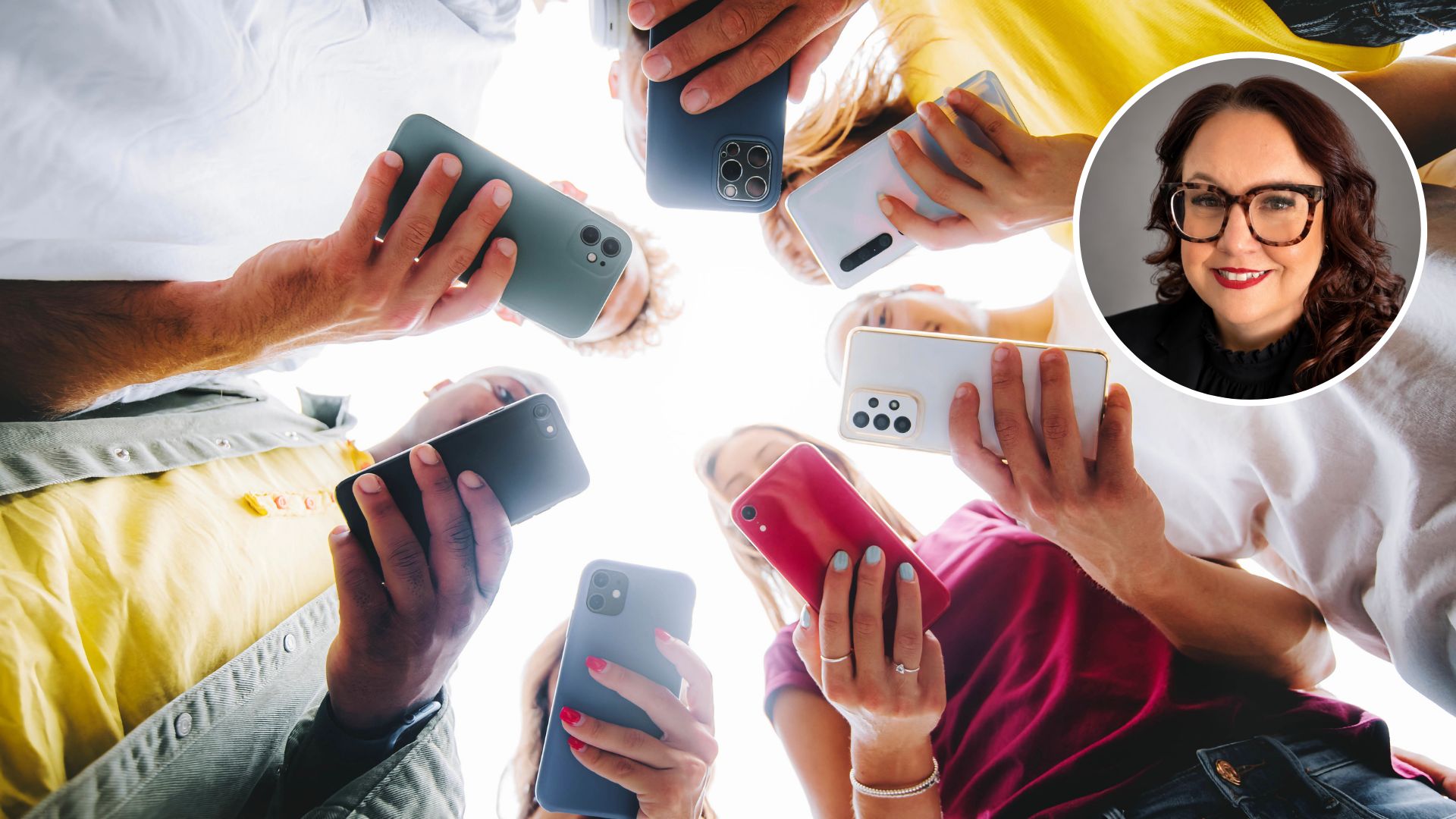
- Research of regional Australian youth, aged 13 to 24 years, aims to understand how youth suicidality shows up in online spaces
- Researchers have noted warning signs for parents, teachers and care givers to be aware of
- In 2024, 334 young people (aged 24 or younger) took their own life in Australia
Warning: This story refers to youth suicide and self-harm.
Charles Sturt University research is giving health and mental health professionals the information they need to identify young people who may be thinking about suicide.
Three Rivers Department of Rural Health (DRH) researcher Dr Annie Fardell Hartley (pictured, inset) explored how youth suicidality - the broad spectrum of thoughts, feelings and behaviours related to suicide – is expressed on social media platforms, including the common presentations, warning signs, motivations and the intended audiences for these posts.
According to the Australian Government’s Department of Health, Disability and Ageing:
- Approximately 3,000 Australians end their lives each year – about eight people a day
- Suicide is the leading cause of death for Australians aged 15 to 49 years
- It is the third leading cause of premature death from injury or disease
- About 1 in 8 Australians has seriously considered suicide at some stage in their life
The research was conducted with regional, rural and remote youth. The Australian Institute of Health and Welfare reports that instances of suicide and self-harm hospitalisations are proportionally higher in regional, rural and remote Australia.
Dr Fardell Hartley said youth suicidality is increasingly being expressed on social media and health professionals need the skills to recognise the warning signs.
“This research was about being a voice for and creating real change for young people in rural communities who experience suicidal distress, and making sure their experiences lead to action, understanding and hope,” she said.
“Young people, and even nine per cent of adult community respondents surveyed, are deciding to disclose suicidal distress on social media.
“This is because they believe they have more opportunities to connect with other people in the same situation, it can feel safer with custom settings or anonymity, they feel better for diarising and processing their experiences.”
Dr Fardell Hartley said the prevalence of these thoughts and feelings on social media are because young people feel less frightened to type their thoughts onto a screen rather than begin a face-to-face conversation about how they are feeling.
For others, the use of social media graphics, such as memes and gifs, becomes a way to express complex internal states that they do not have words for.
“Social media has become central to young people’s lives,” Dr Fardell Hartley said.
“These platforms are now woven into how people of all ages communicate, connect and make sense of their world. For many, social media is part of the everyday fabric of relationships, identity, business and support.
“When distress hits, young people turn to the spaces they already inhabit. In that context, disclosing suicidal distress online isn’t surprising – it reflects where they feel present, visible and most likely to be met with a response.”
Dr Fardell Hartley said there are warning signs that parents, teachers and carers can look for on social media that might indicate suicidal thoughts.
These include:
- Posts or memes about hopelessness, having no purpose or feeling trapped
- Sudden goodbye messages or uncharacteristic expressions of love
- Involvement in mental health-related groups
- Changes in online patterns, e.g., being active between 1am to 4am, showing increased agitation in comments, withdrawing from usual activity or disappearing from others’ posts
- Blocking close contacts
- Posting risk-taking behaviour, such as substance abuse or reckless driving
“Young people recognised these as important warning signs,” Dr Fardell Hartley said.
“The research shows just how important it is to recognise distress early, especially as young people are signalling suicidality in new ways on social media.
“It also gives professionals a clearer understanding of how young people communicate and seek support. And it reminds us that this behaviour isn’t limited to youth alone.”
Dr Fardell Hartley presented her findings in a professional development session or health professionals and students across the Dubbo region. The event was aimed at current and future professionals who are working in mental health and/or with young people in rural or regional contexts.
She has also soft launched a social media movement called ‘Be the reply … not the seen’, which she hopes infiltrates people’s social media pages and provides education while scrolling.
If you or someone you know needs help, please contact:
- Lifeline – 13 11 14
- Beyond Blue – 1300 22 4636
- Kids Helpline – 1800 55 1800


Social
Explore the world of social