
- Child‑like sex doll seizures are revealing hidden behavioural risks that could expose imminent child exploitation threats
- Rising doll interceptions show how frontline detection can uncover escalating dangers long before a child is harmed
By Charles Sturt University Professor of Clinical and Forensic Victimology, Centre for Customs and Excise Studies, Professor Amber Lark, with University of Queensland's Professor Cara Wigley and University of NSW's Senior Lecturer Rachel Berry. Originally published by The Conversation.
Most Australians would be shocked to learn that child-like sex dolls are manufactured, sold online and intercepted at our borders. These dolls, which can be purchased online, are made to look like people under the age of 17 and to allow the user to simulate sexual intercourse. Importing these products is illegal. Possession is also a Commonwealth offence carrying a maximum penalty of 15 years’ imprisonment.
Available figures indicate the scale is significant, but difficult to track consistently. The Department of Home Affairs recorded 103 detections in 2020–21, 88 in 2021–22 and 29 in 2022–23. In 2025, the Australian Border Force reported a renewed “disturbing rise” in attempted imports.
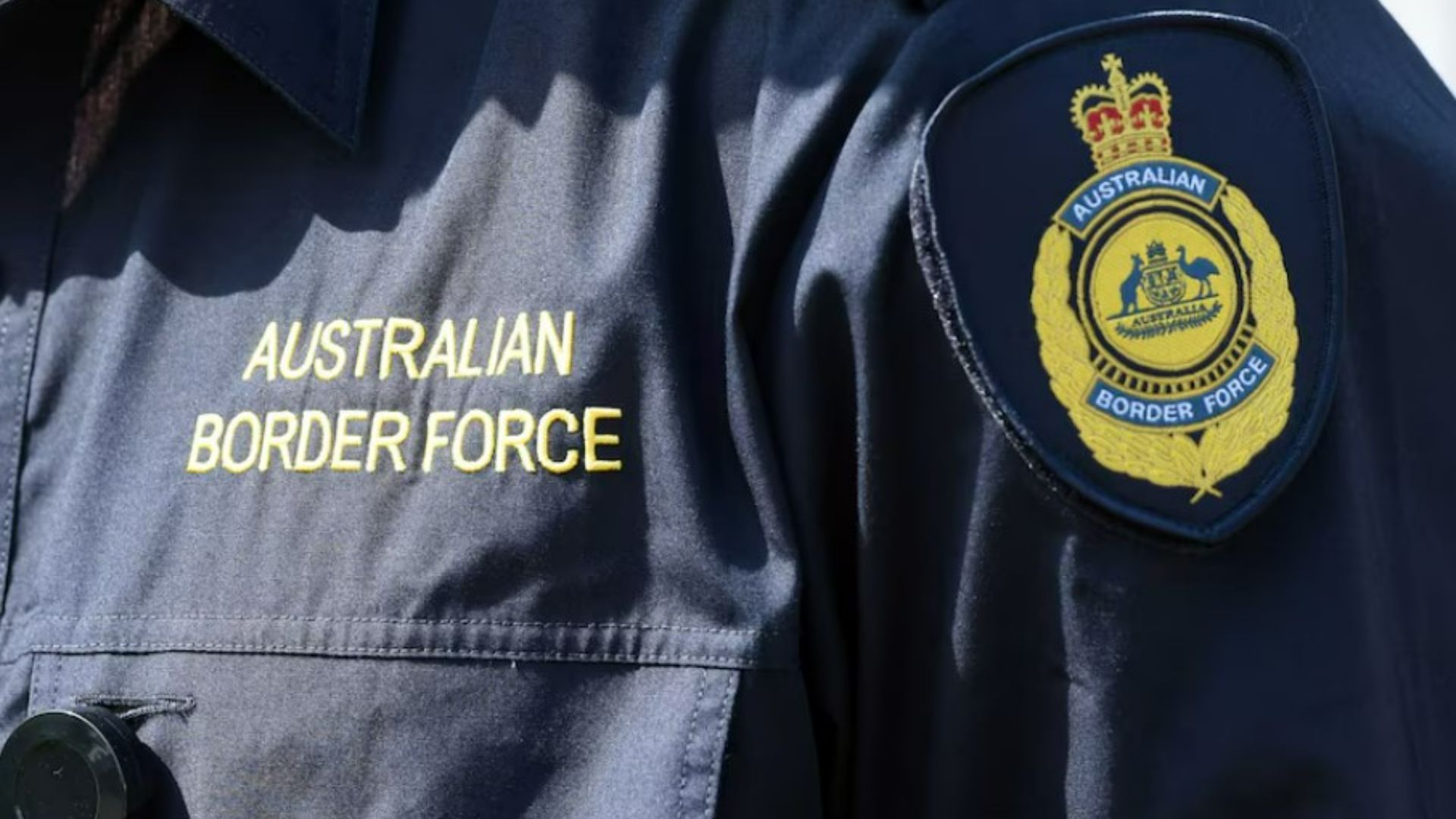
We’ve formed a research team to collaborate directly with the Australian Border Force. We’re trying to better understand how these dolls arrive in Australia, how they can be better classified at the border, and who’s buying them.
But focusing only on seizing prohibited goods risks overlooking something more important: the opportunity to detect escalating child exploitation behaviours before a child is harmed.
The case of Perth man Jason William Forbes shows the risks involved. In 2024, Australian Border Force officers intercepted two bespoke dolls Forbes had ordered, specifying their size, hair and eye colour. According to the sentencing judge, they represented girls aged about 11 or 12. The interception prompted further investigation.
Police subsequently found extensive preparations to abduct and sexually abuse a child. These included searches of schools and childcare centres, research into restraint and incapacitation, a fake police badge, a map of possible locations and an attic fitted with acoustic-dampening material. In February this year, Forbes was sentenced to seven years and five months’ imprisonment. The dolls did not prove he would commit contact offending. But in this case, they were an early warning signal that led investigators to uncover evidence of a serious and imminent threat.
The Forbes case should change how we think about intercepting products such as these at the border. It’s not simply customs compliance: it can be an intervention point within Australia’s wider child protection system. In July 2025, the Australian Border Force conducted seven search warrants in NSW concerning the suspected importation and possession of child-like sex dolls. They resulted in four arrests and two court summonses. In the cases described, investigators also seized electronic devices containing references to child abuse material.
Importing a child-like sex doll can attract up to ten years’ imprisonment and a substantial fine. Possession can attract up to 15 years. But it can be hard for officers to identify these products accurately, especially in a way that would hold up in a court of law.
Products range from crude, low-cost objects to highly realistic, customised silicone dolls. Officers may have to assess body proportions, anatomy, scale, facial features, materials, product descriptions and marketing language to determine whether an object resembles a child and is intended for sexual use.
The Commonwealth Criminal Code provides a legal test, following reforms introduced in 2019. But translating that test into consistent frontline decisions requires practical guidance, training and procedures.
Not every person who possesses or imports a child-like sex doll will go on to become sexually abusive. Current research does not establish a simple causal pathway. But an Australian Institute of Criminology review identified plausible risks involved with owning them, including desensitisation, sexual objectification of children, escalation and use in grooming.
The appropriate response is therefore neither to dismiss these objects as harmless fantasy nor to treat possession as automatic proof of future offending. It’s to recognise them as potential risk indicators that may justify investigation.
Child-like sex dolls sit at the intersection of a large range of areas of academic study. Our team is working in collaboration with the Australian Border Force. This is the first time the force has given an academic team access to this level of data in this domain. The collaboration is a rare opportunity to move beyond case-by-case enforcement responses and instead analyse patterns across seizures, supply chains and offender behaviours.
The Forbes case demonstrates what early detection can achieve. Better research, clearer classification standards and targeted officer training could help Australia identify high-risk cases sooner – and stop a customs problem becoming irreversible harm to a child.


Social
Explore the world of social