
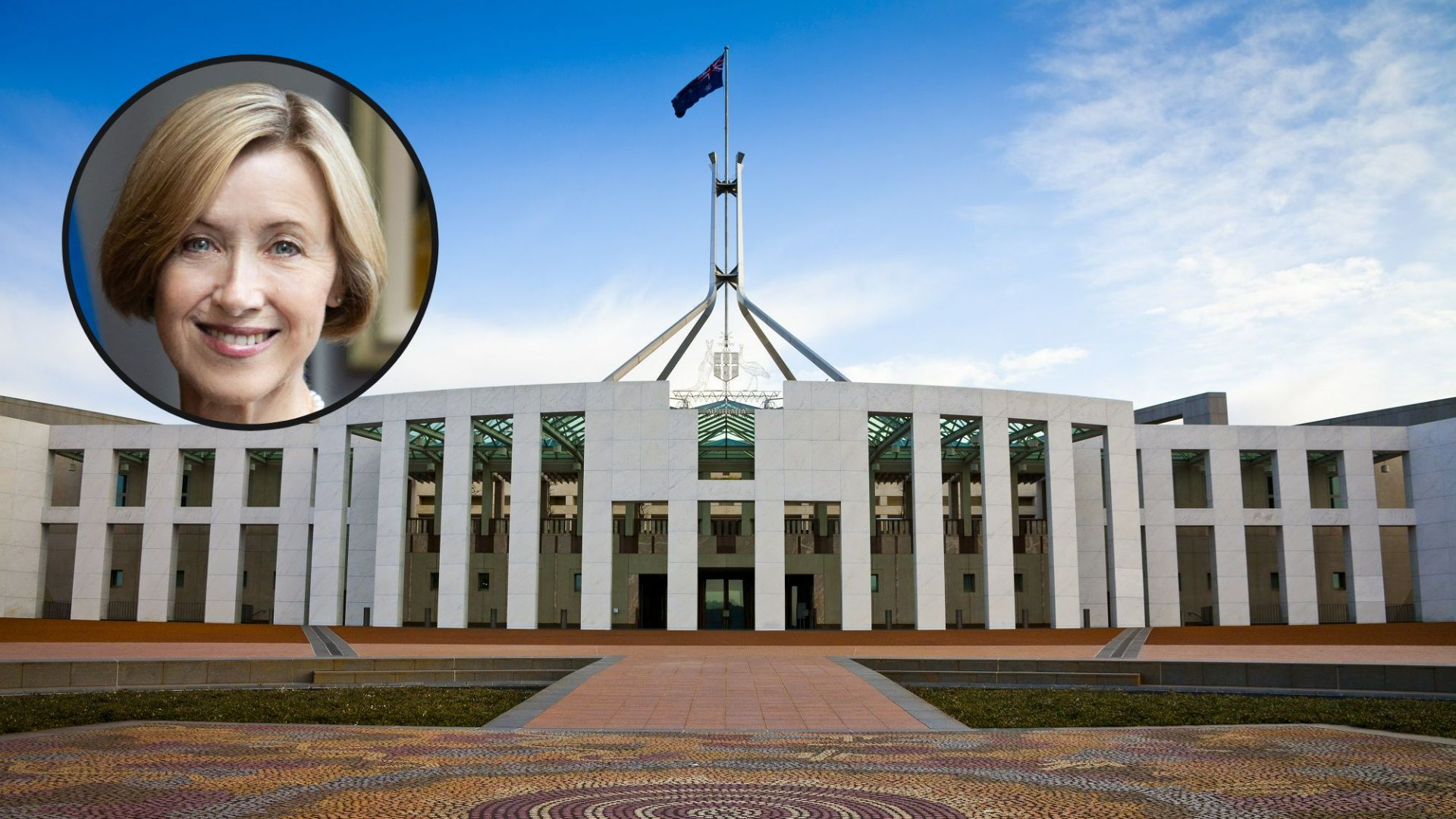
By Charles Sturt University Vice-Chancellor Professor Renée Leon:
Australia’s regions are home to nearly 10 million people, a population that continues to grow as more people choose to build their lives and careers outside the major cities. Yet regional communities face persistent skills shortages in critical fields including health, education and agriculture, among others.
Regional Development Australia (RDA) reports have identified these shortages as a major constraint on regional economic growth and warned they threaten service delivery in hospitals, aged‑care facilities, childcare centres and supply chains.
The vast majority of Australians would be unaware that one of the keys to unlock this crisis is being debated in Parliament and is the focus of a Senate inquiry: the Australian Tertiary Education Commission (ATEC).
ATEC, set to be established by the Government later this year, will be “an independent steward for the higher education system tasked with creating a better and fairer tertiary education system”, according to the Department of Education.
Its primary purpose is to deliver on the ambitions of the Australian Universities Accord to lift participation and attainment in higher education for disadvantaged Australians, including regional Australians.
This is why ATEC matters to regional Australia: its choices will determine whether universities like Charles Sturt can provide the nurses, teachers, social workers, agricultural scientists and allied health professionals our communities desperately need.
To help us do that, ATEC must be sufficiently independent and include Commissioners and staff who understand regional Australia, with experience of the challenges faced by regional students and universities.
The appointment of The Hon Fiona Nash as one of three interim ATEC Commissioners is an encouraging sign that regional experience will be valued in ATEC. We look forward to working with Ms Nash, interim Chief Commissioner Professor Barney Glover AO, and interim First Nations Commissioner Professor Tom Calma AO.
We strongly urge the Government to increase the number of permanent Commissioners, including a designated regional Commissioner, so that ATEC is cognizant of the unique missions of regional universities.
In 2025, Charles Sturt educated more than 14,000 regional and remote students, providing life‑changing opportunities close to home for people who would otherwise face significant barriers to accessing higher education.
Our student body reflects the equitable tertiary education ambition outlined in the Australian Universities Accord: 14.7 per cent of our students come from low‑socioeconomic backgrounds and 3.4 per cent are First Nations students, many of whom are the first in their families to attend university.
These students are not just pursuing personal dreams; they are preparing to become the skilled professionals who keep their communities functioning. Their success is inseparable from the nation’s prosperity.
Charles Sturt and RDA have made submissions to the Senate inquiry on the ATEC legislation. Separately, we have proposed a small number of targeted amendments which would help the Commission deliver on the Accord’s promise and ensure that every Australian - no matter where they live - can access high‑quality tertiary education and contribute to a thriving regional Australia.




Social
Explore the world of social