
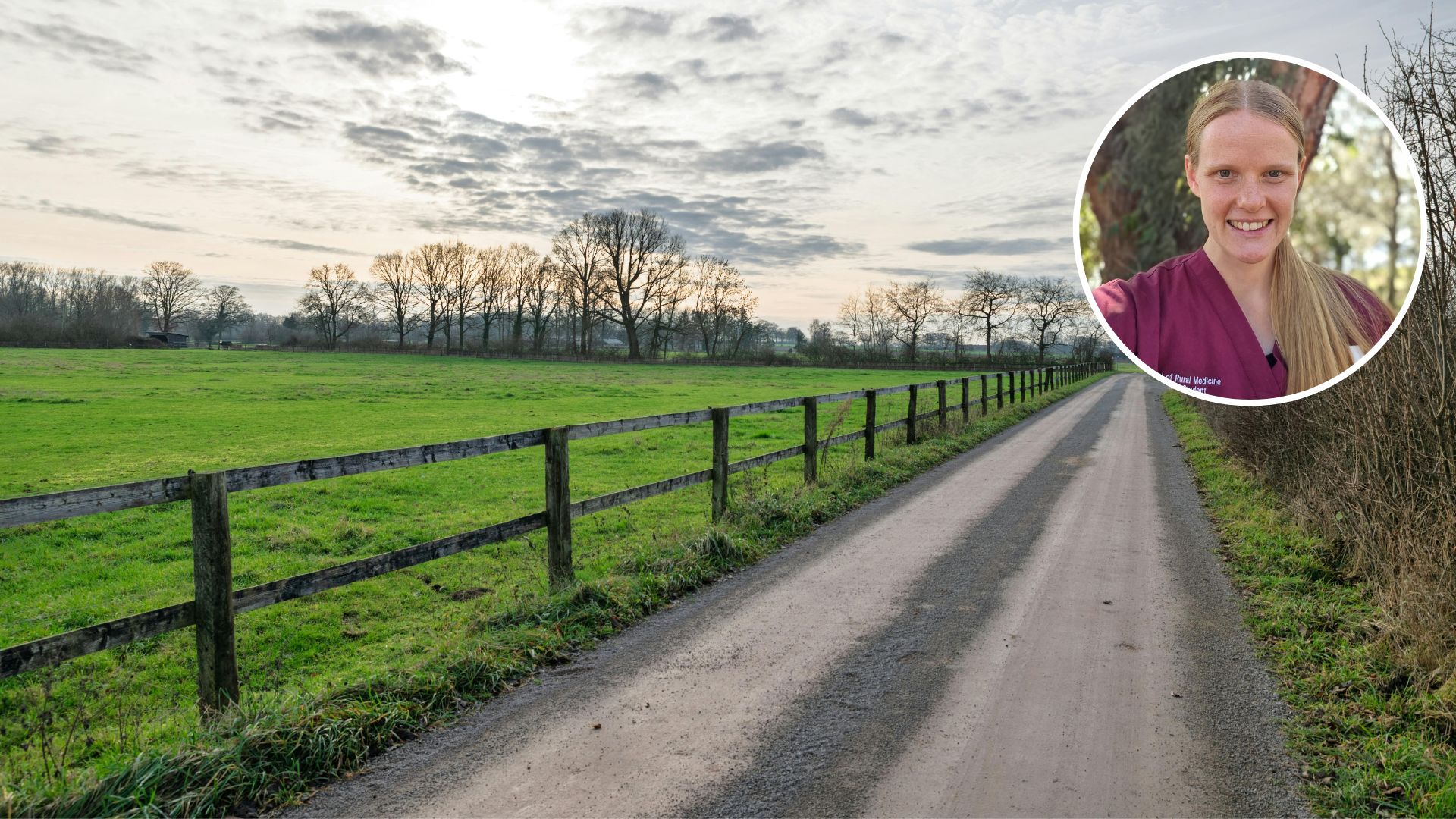
By Charles Sturt Bachelor of Clinical Science/Doctor of Medicine student Ms Caitlin Keen in Wagga Wagga, with supervisors Associate Professor with the School of Rural Medicine Rachel Rossiter and Senior Lecturer in Diagnostic Radiography with the School of Dentistry and Medical Sciences Mr Shayne Chau.
Rural and remote towns rely on general practitioners (GPs) more than any other part of Australia. A single doctor can be the emergency provider, the chronic disease expert, the pregnancy care clinician and the trusted neighbour who knows every family in town. Yet, many rural communities continue to struggle to attract and keep GPs.
A new study from Charles Sturt University has listened directly to the group most likely to change that future – rural-origin medical students training in regional NSW. The goal was simple. Ask them what they think about becoming a rural GP. Understand what motivates them. Understand what worries them. And then use what they say to design better support.
Ten students in their final two years of medical school took part in in-depth interviews. All of them grew up in rural or regional communities. Many chose medicine because they saw the lack of doctors at home. They wanted to give something back.
The first and loudest message was this: most of them are genuinely considering rural general practice. They spoke about wanting to belong to a community, raise families outside the city and build long-term relationships with patients. They enjoyed the variety of rural practice and the chance to follow a patient’s care across the years. They liked the idea that their work would truly matter.
But they also said that the path into rural general practice often feels confusing and stressful. Several students said they did not know what rural generalist training really looked like or who to ask for clear advice. Some felt pressured into rural GP pathways rather than supported into them. That pressure sometimes had the opposite effect.
Money was another sticking point. Students said they rarely felt comfortable asking rural doctors how billing works or what income they could expect. They heard mixed messages about whether rural GP work is financially secure. They worried about burnout, especially if they became the ‘only doctor in town.’
One powerful theme was isolation. Students admired the skill of rural GPs who handle everything, but they also found that level of responsibility to be intimidating. They wanted strong networks, mentorship and a team they could rely on.
At the same time, students shared many positive experiences. Rural GP tutors made a difference. Rural placements changed minds. Conferences, such as those run by the Rural Doctors Network, helped students feel part of something special. Meeting doctors who balanced work and family gave them hope that a rural life and a medical career can both thrive.
So what do these students want from the system?
They asked for rural GP mentors who stick with them; Clearer information about pathways and pay; Rural placements that challenge them but also allow choice and autonomy; Opportunities that show them how rewarding a rural GP career can be, without glossing over the realities.
Their message is hopeful. The passion is already there. The connection to the community already exists. These students are not turning away from rural general practice. They are trying to run toward it. They just want the road to be easier to navigate.
If Australia wants more rural GPs, listening to these students is a very good place to start.
This article first appeared on Partyline by the National Rural Health Alliance.


Social
Explore the world of social