
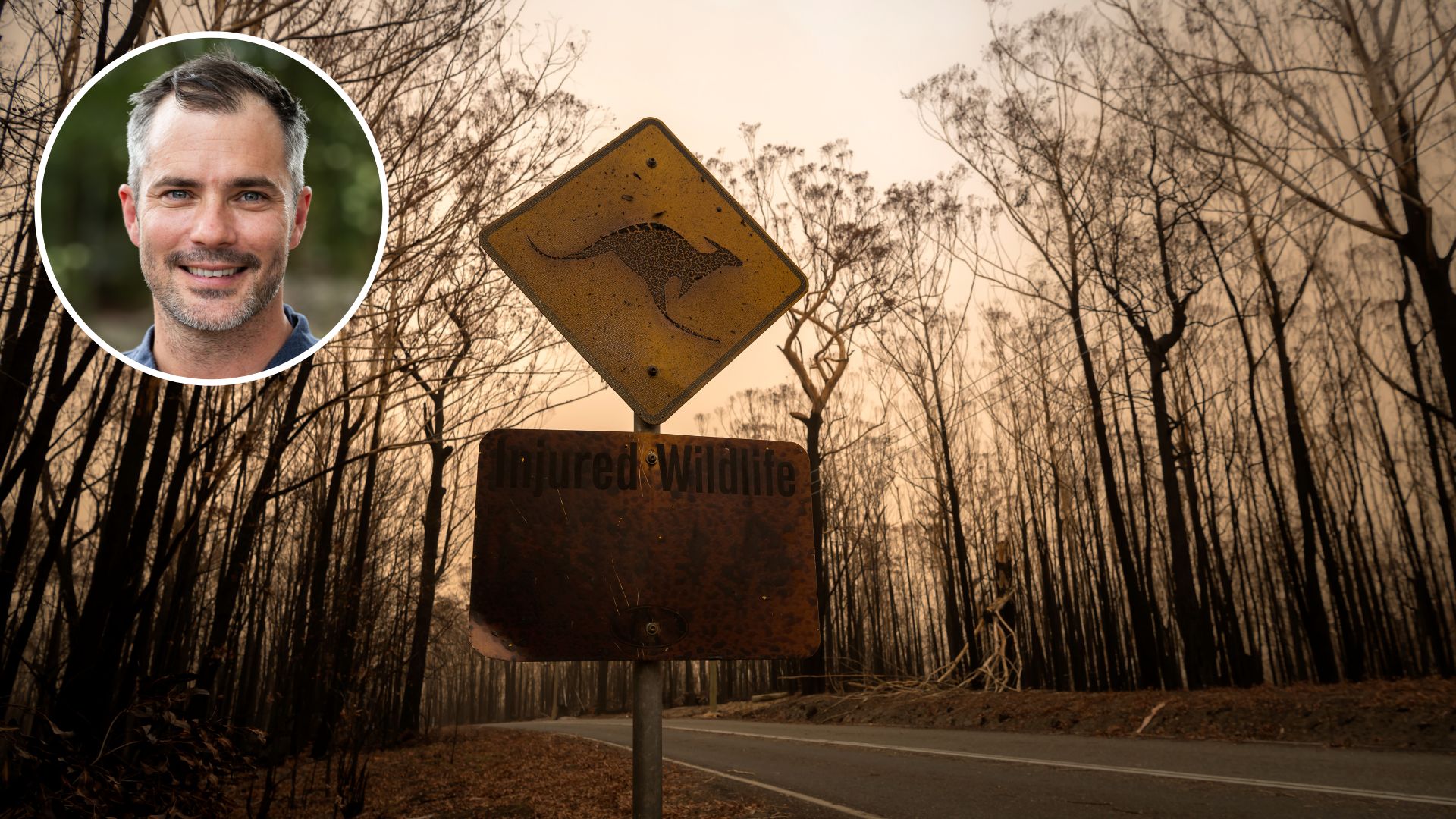
- Groundbreaking Charles Sturt research to focus on why some animals survive bushfires while others perish
- Professor Dale Nimmo’s project will reduce wildlife extinction risks in Australia’s more bushfire-prone future
As bushfires become more frequent and intense across Australia, understanding how native animals adapt and survive is emerging as one of the nation's most pressing environmental challenges.
Charles Sturt University ecologist Professor Dale Nimmo is leading research that will help understand which species are most at risk as Australia’s bushfires intensify and spread.
Professor Nimmo has been awarded an Australian Research Council Future Fellowship to investigate whether the behaviours that help animals survive bushfire are genetic or developed through experience and ever-increasing exposure.
The CSIRO states that Australia has already seen an increase in the frequency and severity of fire weather and predicts that many regions will face a significantly higher probability of the most dangerous fire conditions in the future.
A report by the World Wildlife Fund estimated 2.46 billion reptiles, 181 million birds, 143 million mammals and 51 million frogs were likely injured, killed or lost their habitat in the 2019-2020 Black Summer bushfires.
Professor Nimmo’s research will develop strategies to protect vulnerable species from the threat of extinction in similar catastophic bushfires in the future.
“Fire is a vital component of many Australian landscapes but the scale and intensity of recent bushfires are creating unprecedented challenges for wildlife,” Professor Nimmo said.
“This research will reveal how animals adapt to fire and help us predict which species are likely to be resilient and which may need intervention to survive.”
The project will combine innovative behavioural experiments with ecological research to better understand how wildlife responds to the threats posed by bushfires.
Charles Sturt Deputy Vice-Chancellor (Reseach) Professor Neena Mitter said Charles Sturt is committed to research that delivers practical solutions to Australia's most pressing challenges.
“The bushfires in 2019-2020 were absolutely devastating for Australia’s native animal populations, and showed a real need to strengthen our ability to protect wildlife and ecosystems from escalating bushfire threats,” Professor Mitter said.
“Professor Nimmo’s work will be crucial in assisting government and other decision-makers to take the right steps to safeguard Australia’s unique and precious wildlife.”
Professor Nimmo’s grant is for $1,316,498, with the project to run over four years.
Professor Sarah O’Shea also received an ARC Future Fellowships 2026 round 1 grant for a research project which aims to investigate how ‘place’ - including local culture, resources, and distance - shapes educational opportunity for first-generation rural and remote learners.




Social
Explore the world of social