
- Veterinary biosecurity research by a rural-based all-women Charles Sturt University team is helping protect Australia’s livestock production and transportation system
- The 2026 UN International Day of Rural Women highlights that women are responsible for half the world’s food production
According to the United Nations (UN), women are responsible for half of the world’s food production, and in developing countries they produce up to 80 per cent of food.
Speaking ahead of 2026 International Day of Rural Women on Thursday 15 October, Charles Sturt Deputy Vice-Chancellor (Research) Professor Neena Mitter said the University acknowledges and supports the UN’s recognition of women’s significant contribution to national and international food production and agricultural biosecurity.
“The theme for 2026 International Day of Rural Women is ‘rural women cultivating food for all’, and globally, women make up nearly 40 per cent of the agricultural labour force (2023), and more than 50 per cent in certain regions of Asia and Africa,” Professor Mitter said.
She emphasised the importance of agricultural biosecurity and noted the Australian Government is strengthening Australia’s biosecurity system with more than $1 billion over the next four years, and $267 million per year from 2027-28 onwards.
Professor Mitter highlighted the University’s alignment, citing a recent study by an all-women Charles Sturt team of rural researchers conducting biosecurity-focussed veterinary epidemiology.
Their study, ‘Key insights into biosecurity risks, communication preferences and behaviour change drivers among livestock transporters in Australia’, was recently publish in the Australian Veterinary Journal.
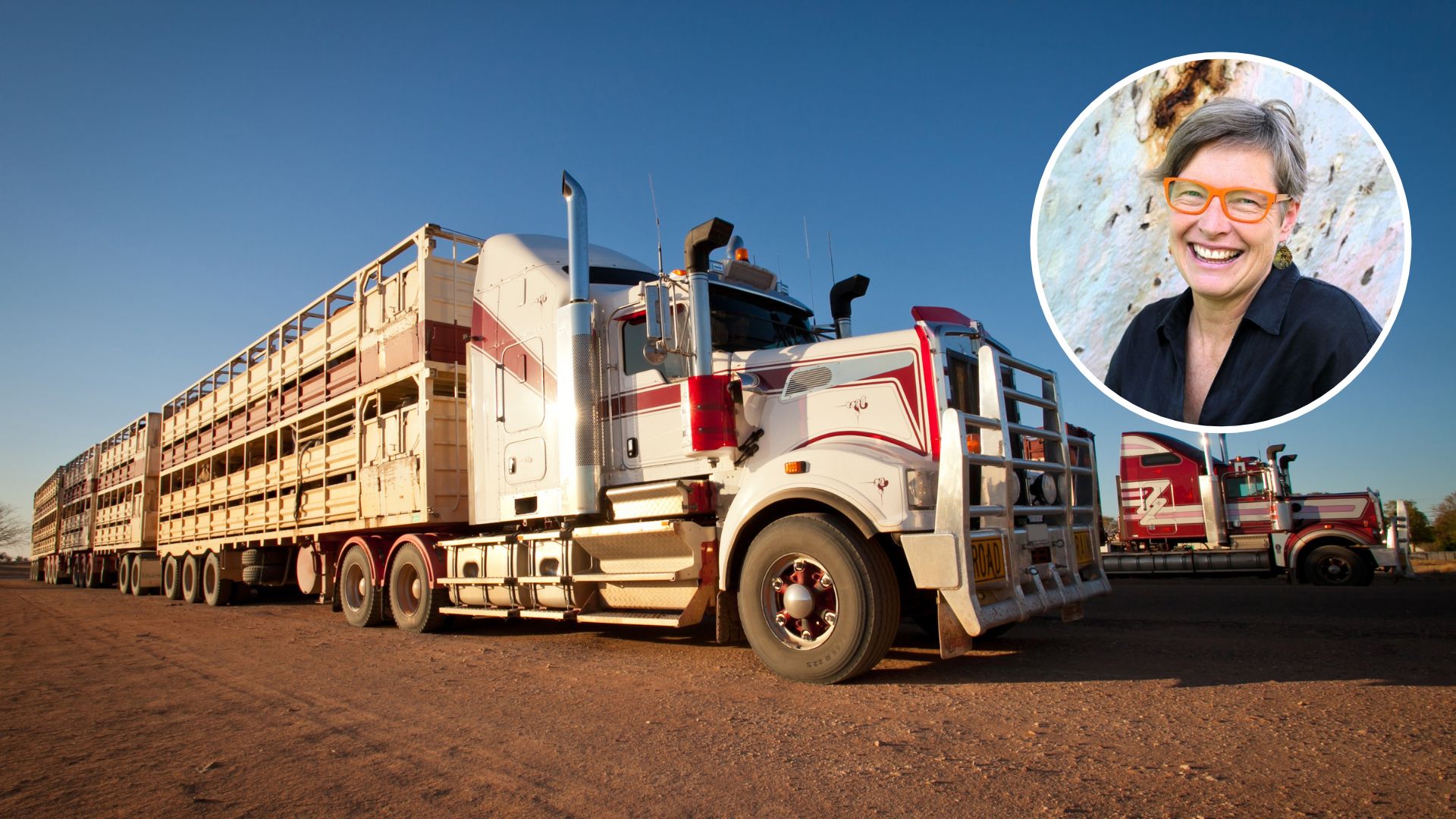
Research team spokesperson Associate Professor Jennifer Manyweathers (pictured inset) is Course Director (Veterinary Science) and Associate Professor in Epidemiology in the Charles Sturt School of Agricultural, Environmental and Veterinary Sciences.
Professor Manyweathers is a vet by training and practiced in Bega, NSW, specialising in dairy livestock, with her main focus now on human behaviour in relation to animal diseases.
She said in 2024-25, total livestock products in Australia increased 27 per cent to $28.4 billion, highlighting how biosecurity management within the livestock industry is critical to reduce the risk of disease transmission.
“The transportation of livestock poses an increased risk of disease transmission, with transportation vehicles acting as vectors for disease,” Professor Manyweathers said.
“In the event of biosecurity incidents, the timely exchange of information available for rapid tracing and response may minimise the impact on the livestock industry and increase confidence in agriculture sectors.”
The researchers investigated the current biosecurity practices of stakeholders within the livestock transport industry in Australia and examined how this sector uses communications technology and the drivers and barriers influencing its adoption for managing biosecurity risks.
“The key biosecurity risks identified related to truck washing, effluent management, distances travelled, load mixing and access to relevant biosecurity information,” Professor Manyweathers said.
“Some practices that contributed to the biosecurity risk were influenced by external factors, such as access to truck washing facilities.
“We found that a mobile application (app) to communicate biosecurity messages could support biosecurity information exchange given the widespread use of text messaging, along with the high level of use of apps for both personal and business purposes.”
The study found a phone call was preferred for urgent messages, and the most trusted sources of animal health information included government agencies and the national industry organisations.
Professor Manyweathers said ensuring biosecurity in the context of climate change means there’s a need for much more flexibility and an understanding of humans and their decision making.
With colleagues, she hopes to implement a larger national training program to encourage all the Australian veterinary education universities to include what she calls ‘socio-psychological epidemiology’ (the human side of animal diseases) in the curriculum.




Social
Explore the world of social