
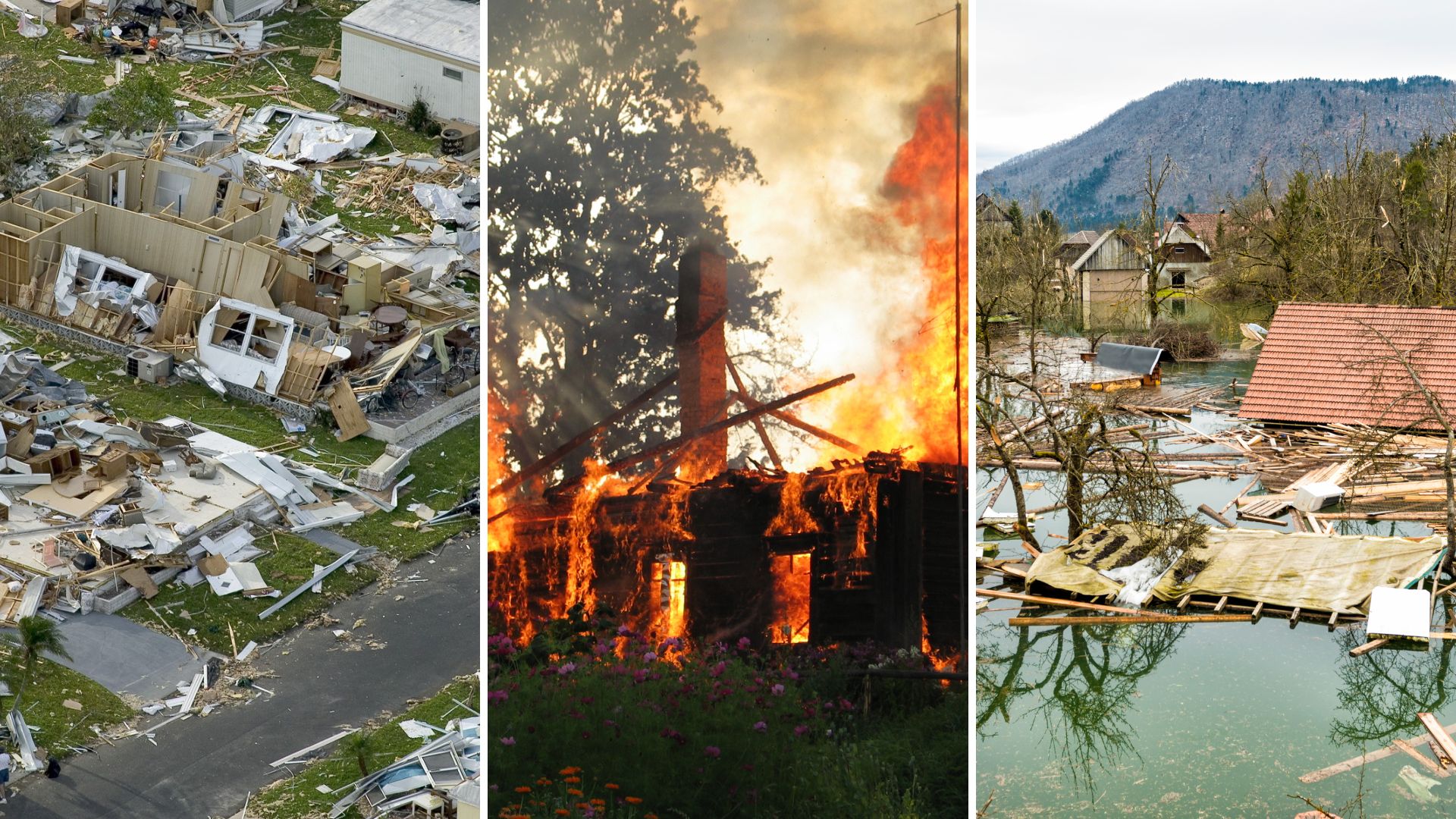
- Research from Charles Sturt University shows climate change and extreme weather events are influencing people’s decisions about where to move in the year ahead
- The survey shows Tasmania strongly preferred by two in five Australians (41 per cent) as the safest state or territory to live in as the climate changes
- Climate worries are already driving internal migration, with more Australians shifting from high-risk zones to climate-safe areas
A nationwide survey commissioned by a leading Charles Sturt University researcher has found that 22 per cent of Australians who intend to move home in the next 12 months say their decision is influenced by climate change or extreme weather events.
Among those who have lived through extreme weather events, 36 per cent say they are moving in part because of the effects of global warming.
The striking results emerge from two reports derived from the first national public opinion survey exploring how Australians are thinking about and responding to life on a warming planet.
The reports by Charles Sturt Professor of Public Ethics, Clive Hamilton, AM, are two in a series of seven as part of the Living Hot Project and are based on results from the Climate Adaptation Survey.
“As Australia warms and more households live through extreme weather events, anxiety about climate change will escalate and many more Australians will look to relocate to safer parts of the country,” Professor Hamilton said.
The survey results also show that:
- In the last six years, 14 per cent of those who have moved home say the relocation was in part because of climate change
- Climate factors play a stronger role in decisions to move for those in regional NSW, Brisbane and regional Queensland than elsewhere
- More than a third of Australians say they think about moving home because they are worried about extreme weather where they live
- Those who are most concerned about climate change think about moving much more frequently
“Governments are ignoring the planning implications of more and more Australians shifting from high-risk zones to climate-safe areas,” said Professor Hamilton.
“Social cohesion is at risk because wealthier people can afford to live in climate havens while poorer people will be left to cope with the floods, bushfires and extreme heat.”
The survey also asked respondents which state or territory will be the safest place to live as the climate changes.
Tasmania is the clear winner, with two in five Australians (41 per cent) choosing it, with other states falling well behind. Tasmania is especially preferred by those most worried about climate change and who expect the climate to be much warmer by 2050.
These respondents also have higher levels of education and are more likely to have voted for progressive parties.
“When the exodus from the mainland to Tasmania comes, it will be led by people who are most worried about climate change, well-educated and left-wing,” said Professor Hamilton.
The survey also shows that:
- When asked which area or region of their preferred state will be safest, three out of five choose cities or towns rather than rural or remote areas
- Younger adults are more inclined to choose suburban and outer urban living while older Australians are more likely to favour country towns
“Contrary to images of off-grid, self‑sufficient farms, most Australians believe living in existing towns and cities will be safest as the planet warms,” said Professor Hamilton.
“Community connections and shared services are viewed as essential buffers against the stresses of life in a changing climate.”
The survey of almost 2,000 Australians was developed and commissioned by Clive Hamilton, Professor of Public Ethics at Charles Sturt University in Canberra, and carried out by respected public opinion company Roy Morgan Research.
Learn more about Research Paper 5 ‘Moving home to escape climate change’ and Research Paper 6 ‘Where is safe in a warming Australia?’ and the Climate Adaptation Survey.



Social
Explore the world of social